Saros
Video, 16′ 00′′
2020-2023
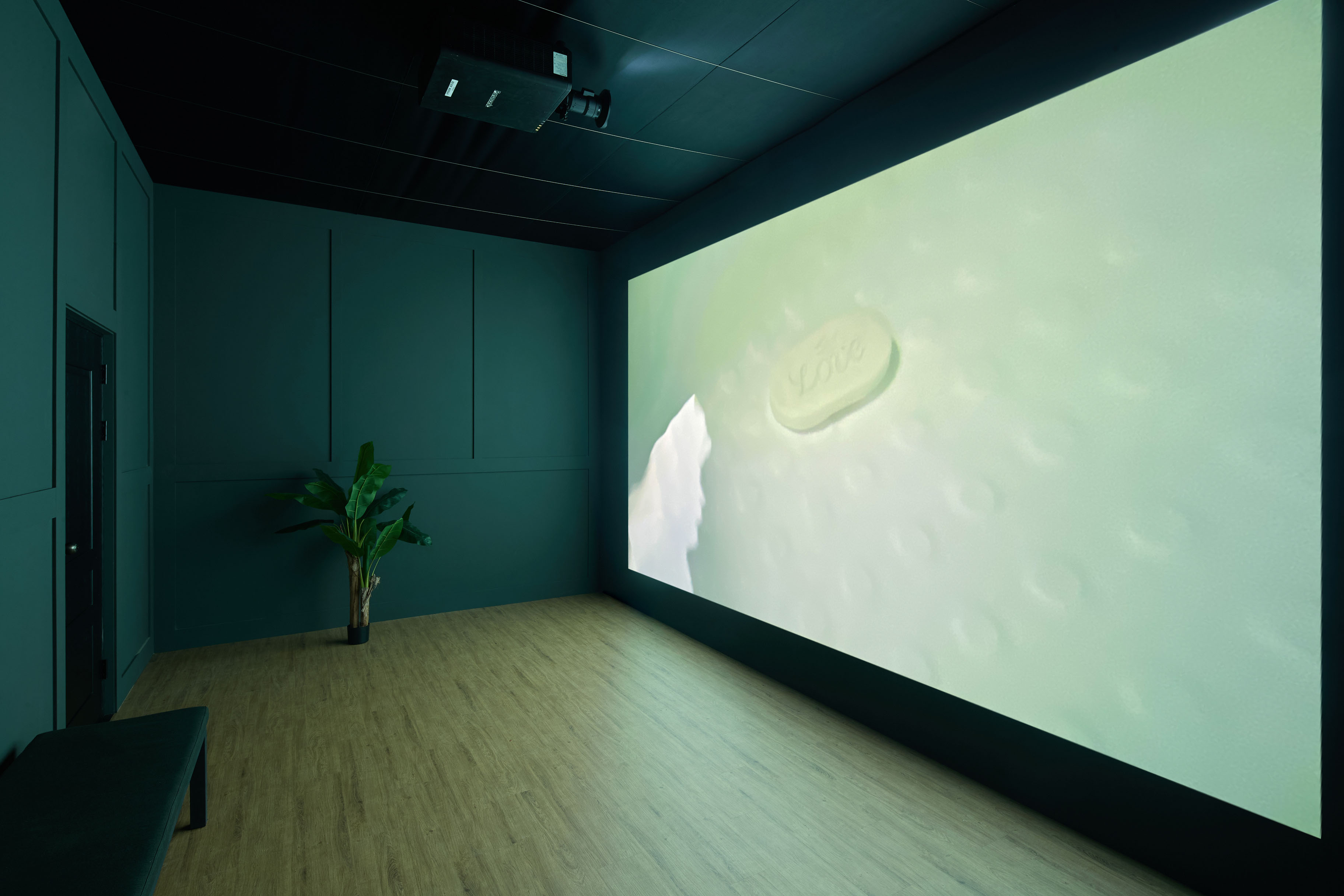
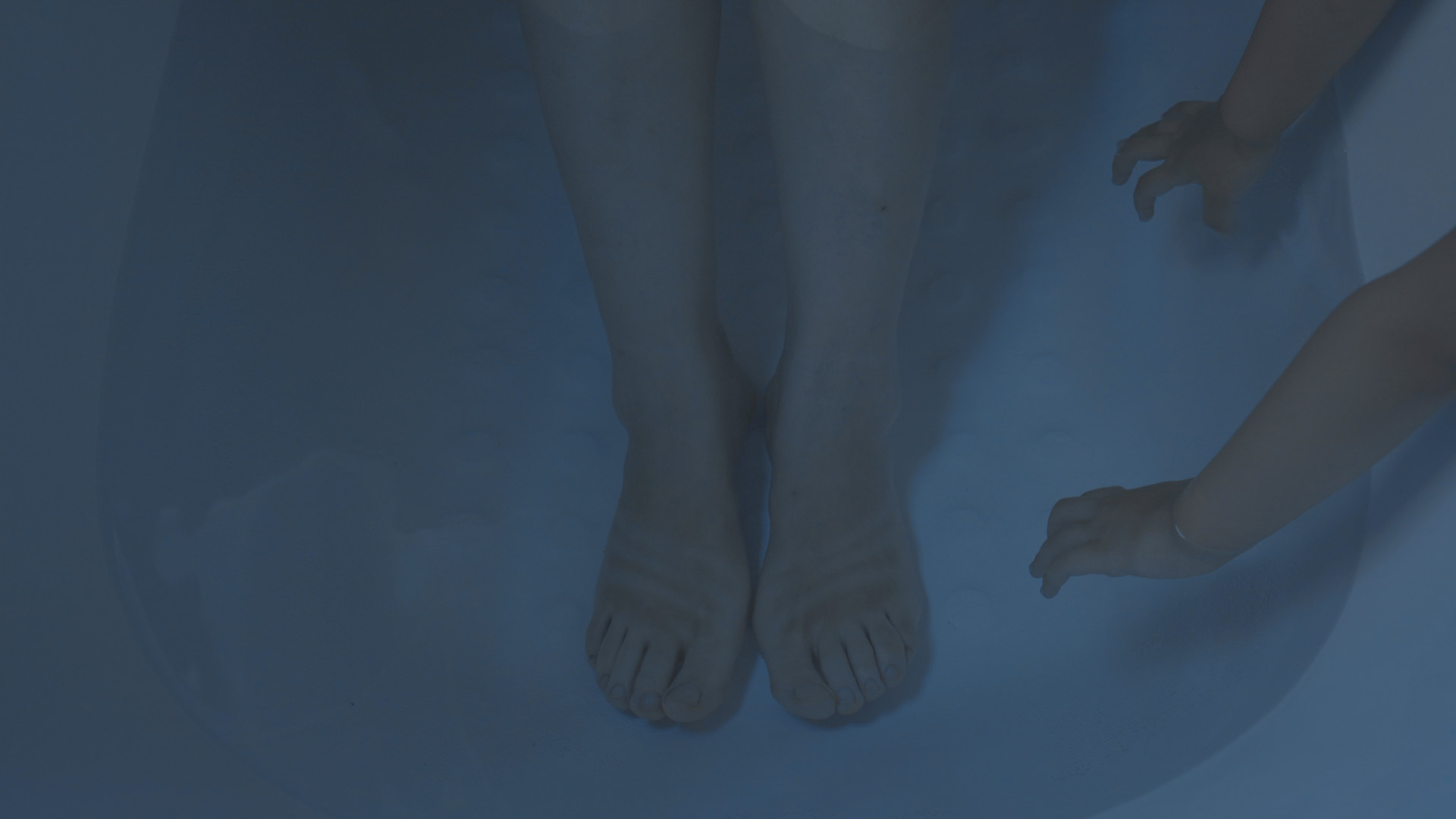
At the apex of a new solar activity cycle, after the eclipse during the summer solstice, the members of a family transform into a soap, a plastic bag, a simulated plant, and an electric plug — objects from their domestic environment. While the electronic grid is disrupted by the solar storm.
The film explores tensions between nearly static spaces, depicting a series of irregular structures from digital models to the electronic system: networks, databases, QR codes, planetary matter, cosmic cycles, and artificial environments.
It recreates the eclipse of the summer solstice in 2020 and invokes the deadly relationship between solar activity and electronic systems to touch on the uncertainties in both the digital and physical worlds. In the pre-Internet era, an electronic system collapse caused by a massive solar storm had occurred. Such an event could be catastrophic for today’s world, which heavily relies on electronics, and still remains unpredictable.
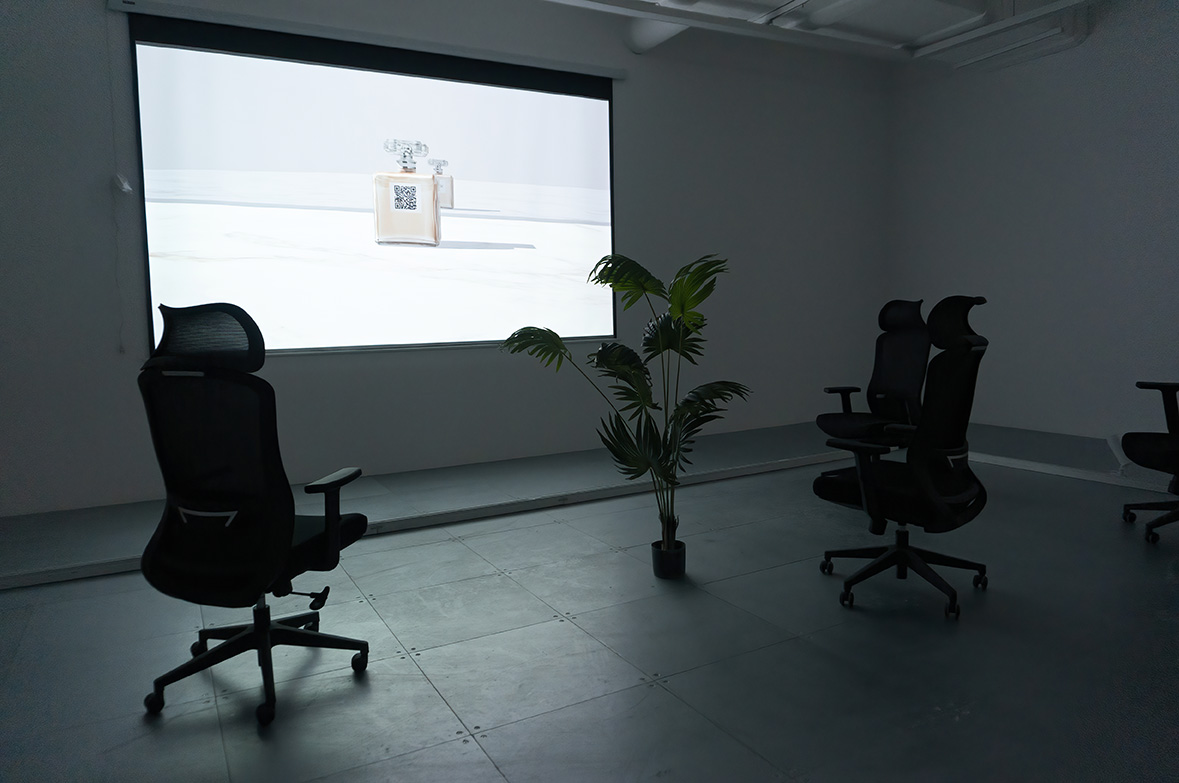
With computer-generated monologues, the film enters an experience of displacement, like an incurable disease. It features the neighborhoods of the Capital Belt of Beijing, where the artist lived during the COVID lockdown, and engages performance of friends, neighbors, and workers. The audience can scan the QR codes in the film to access additional screen spaces, including a short notice, a digital perfume, and a digital watch. Although the virtual world lacks scent, the watch remains static.
The English title, “Saros,” refers to a certain period of time used to predict the cycle of eclipses, where the Sun, Earth, and Moon return to similar corresponding positions, so that almost the same eclipses will occur again.
永恒的一日
影像,16′ 00′′
2020-2023
《永恒的一日》(Saros)呈现了一段荒诞的故事。在新一轮的太阳活动周期顶点,夏至日的日食之后,一家四口在食相的阴影和电子系统的紊乱之中变异为了家居环境中的一部分,香皂 、塑料袋、仿真植物和电插头。
影片围绕与技术相关的生活中存在的周期性与不确定性,发展与停滞,使用了缓慢或近乎静止的画面。它以数字模型作为某种潜入的载体,包括其背后一系列不规则的结构: 网络、数据库、二维码、行星物质、宇宙周期、人造环境、神秘信号,以及平凡的人类日常中的秩序与崩坏。它再现了2020年夏至日的日环食,并推测性地呈现了太阳活动与电子系统之间致命性的关系—由大规模的太阳风暴造成的电子系统危机上一次发生在前互联网时代,下一次则还无法预测。旁白中,智能机器生成的句子如同一次故障经验,也如同在描述一场疾病。
影片拍摄于环京地带的社区,艺术家曾在此居住和隔离,并邀请朋友、邻居、家政与维修工一起参与了表演 。此外,作为一条与主线平行的叙事通道,观众可以扫描影片中出现的二维码进入不同的屏幕空间。其中包括一则简讯,以及一条数字香水与数字手表的广告,它们能够被以数字形态获取,然而虚拟世界并没有气味,手表也无法指示时间。
作品英文标题沙罗周期(Saros)是用于预测食相的周期,每经过特定的时间,太阳、地球和月球又会回到相似的对应位置,于是几乎相同的食相会再次发生。